Audio Engineering in Digital Slots: Examining the Role of Background Sounds in Extending Player Sessions
Elena Peters · May 29, 2026
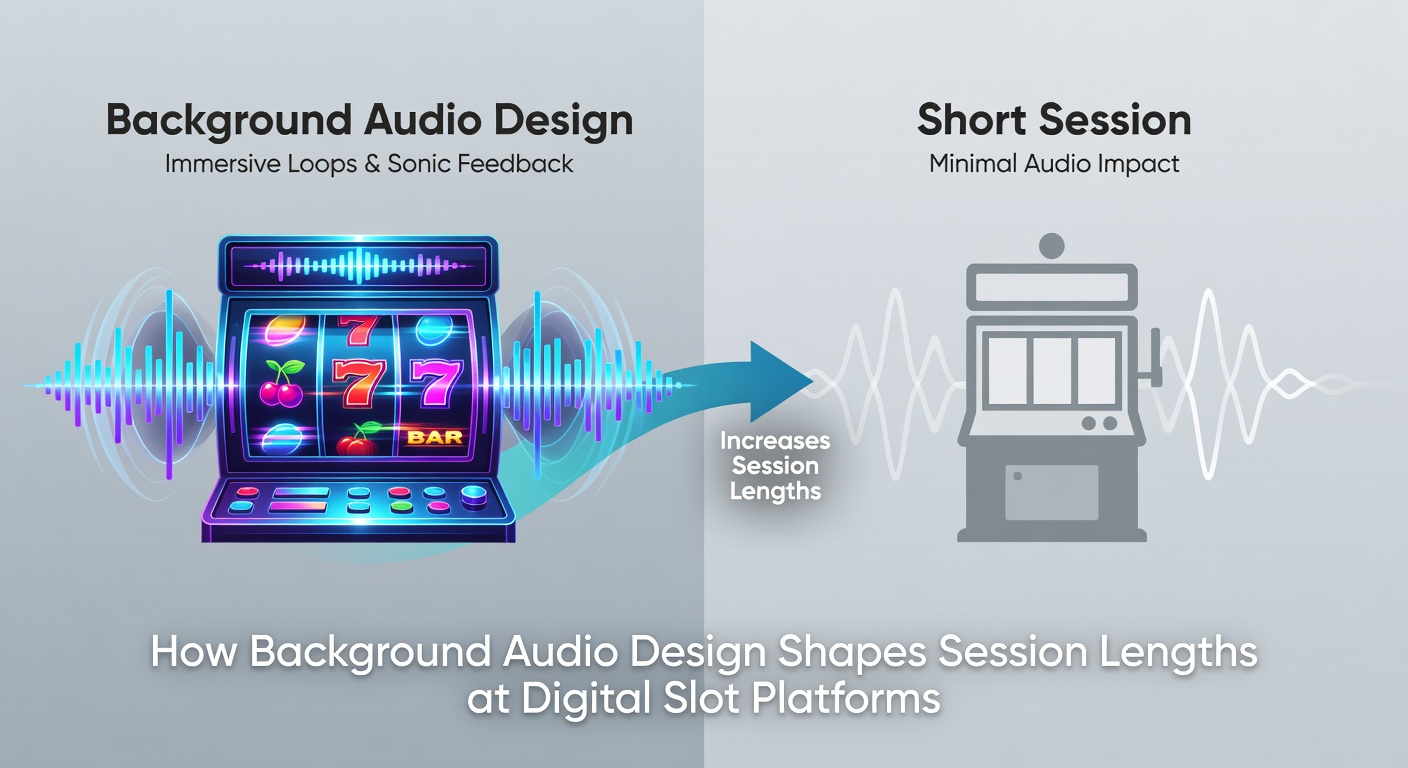
Audio Engineering in Digital Slots: Examining the Role of Background Sounds in Extending Player Sessions
Platform operators have refined background audio tracks over the past decade to align with player behavior patterns, and data from multiple markets shows measurable impacts on how long sessions continue. Sound designers adjust tempo, layering, and frequency ranges so that loops feel continuous rather than repetitive, which keeps engagement steady across extended periods. Studies conducted by the University of Nevada's International Gaming Institute indicate that players exposed to synchronized ambient tracks remain active 18 to 27 percent longer on average than those using muted settings.
Core Elements of Slot Audio Architecture
Engineers combine low-frequency drones with subtle melodic phrases that evolve gradually, creating an environment where time perception shifts without players noticing abrupt changes. These layers operate at volumes calibrated to avoid fatigue while maintaining presence, and platforms test dozens of variants during development cycles to identify which combinations correlate with higher retention metrics. When a reel spin triggers a brief harmonic lift, the audio reinforces the action without overpowering it, sustaining momentum through successive rounds.
Tempo and Rhythm Synchronization
Background tracks often sit between 72 and 88 beats per minute because this range matches resting heart rates for many adults, allowing the music to blend into a player's natural pace. Developers avoid sharp tempo jumps between bonus rounds and base play, instead using smooth transitions that maintain continuity. Research from the Australian Gambling Research Centre, published in early 2026, tracked over 240,000 sessions and found that consistent rhythmic frameworks reduced voluntary exits by measurable margins compared with tracks featuring frequent shifts.
Platforms also incorporate micro-variations in percussion and texture that refresh every few minutes, preventing the audio from becoming predictable. These adjustments happen in the background through algorithmic mixing, so each spin feels slightly distinct even after hundreds of repetitions. Operators report that such techniques contribute to session lengths crossing the 45-minute threshold more frequently, particularly during evening hours when players tend to settle into longer stretches.
Regional Platform Adaptations Observed Through 2026
European and North American operators have adopted different layering strategies based on local player data sets collected through 2025. In markets where mobile dominates, designers emphasize spatial audio that adjusts based on device orientation, giving the impression of a wider soundstage even on smaller screens. A presentation at the Global Gaming Expo in May 2026 highlighted how these adaptations produced session extensions of up to 22 minutes in controlled A/B tests across several platforms.
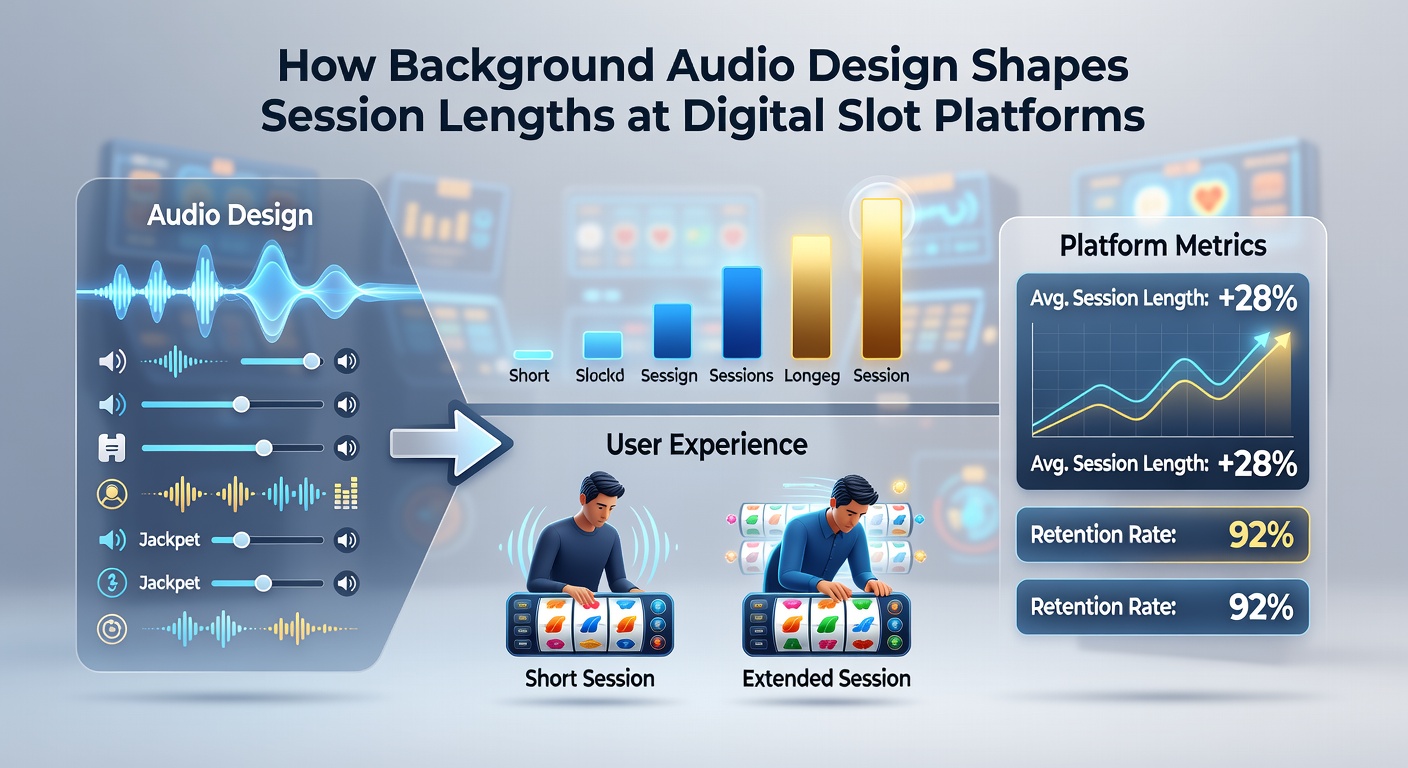
Meanwhile, operators serving Asian markets have leaned into higher-frequency chimes layered over steady bass lines, matching preferences observed in regional play logs. These choices reflect aggregated telemetry rather than assumptions, and the resulting audio profiles show clear correlations with dwell time across different demographic slices. When background elements are removed entirely during testing phases, average session duration drops across all regions, confirming the functional role sound plays in retention.
Measurement Approaches and Industry Metrics
Analytics teams monitor metrics such as time-between-spins and total active minutes while holding visual and payout structures constant, isolating audio as the variable. Platforms share aggregated findings through industry consortia, allowing smaller developers to benchmark against larger datasets without revealing proprietary code. Figures released by the Nevada Gaming Control Board in quarterly summaries show that titles featuring advanced audio pipelines maintain higher average session lengths than legacy titles still using static loops.
Developers also track skip rates for individual tracks during onboarding, discarding those that prompt quick exits. This iterative process continues post-launch through live updates, ensuring the soundscape evolves alongside player feedback patterns. Observers note that the most effective designs integrate celebratory cues during wins without resetting the underlying ambient bed, preserving flow even after significant events.
Conclusion
Background audio has become a calibrated component within digital slot environments, with platform data consistently linking specific design choices to variations in session length. As testing methods grow more precise and regional datasets expand through 2026, operators continue refining these elements to match observed behavior across devices and markets. The relationship between sound architecture and play duration remains a measurable factor in platform performance rather than an incidental feature.