Data Analytics Reveal Shifting Patterns in Esports Wagering Behaviors
Olivia Wagner · Jun 8, 2026
Data Analytics Reveal Shifting Patterns in Esports Wagering Behaviors
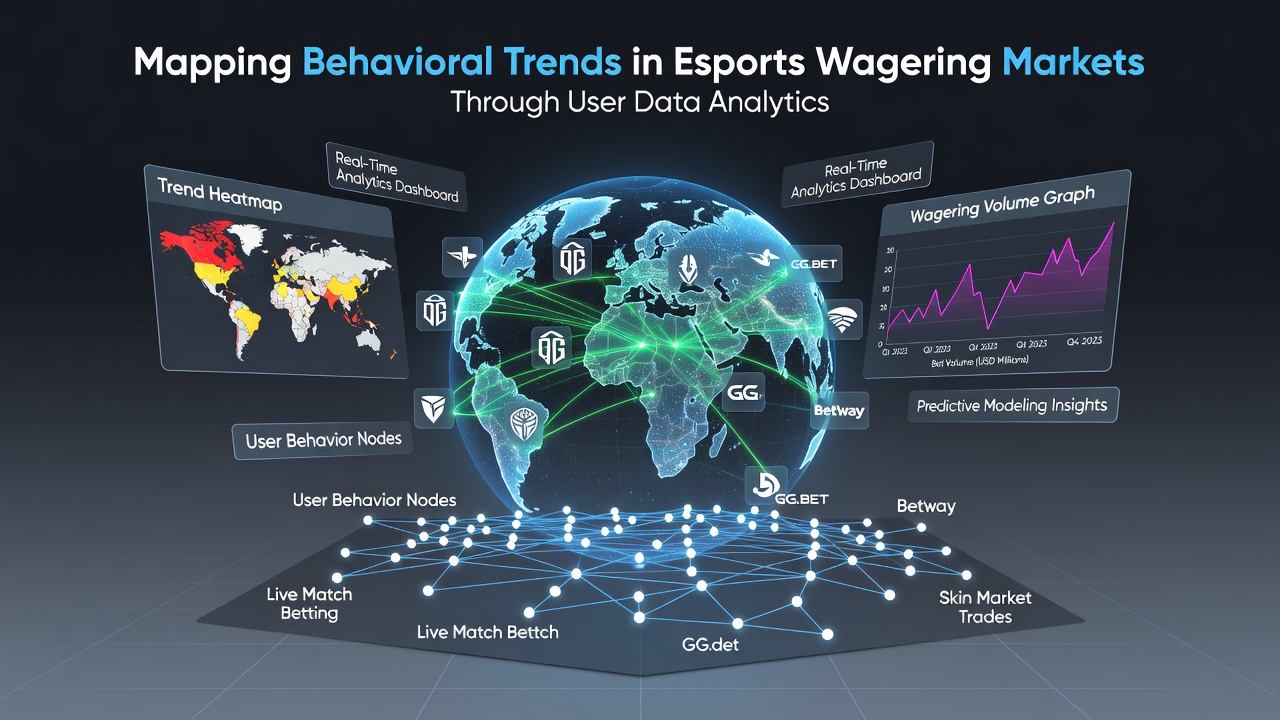
Analysts track esports wagering markets by pulling together user interaction logs, transaction histories, and session durations from multiple betting platforms, while these datasets allow mapping of how participants place bets on titles such as League of Legends, Counter-Strike, and Dota 2. Data collection starts with anonymized identifiers that record bet frequency, stake sizes, and timing relative to live match events, and researchers combine this information with demographic signals to identify clusters of activity that repeat across regions.
Core Methods Behind the Mapping Process
Teams apply clustering algorithms and time-series models to raw user streams, whereas these tools group bettors according to risk tolerance and response speed during tournaments; machine learning models then predict when certain segments increase wager volumes ahead of major events. Platforms feed data into centralized systems that normalize odds changes against actual match outcomes, which creates a feedback loop for refining behavioral forecasts. Observers note that such methods rely on API integrations from game publishers and betting operators, while privacy protocols strip personal details before analysis begins.
Studies from academic institutions highlight how heat maps visualize peak betting hours aligned with global time zones, and these visualizations show North American users favoring evening slots whereas European activity spikes during afternoon windows. Analysts cross-reference these patterns with social media sentiment feeds to detect correlations between online discussions and sudden stake increases, although the models adjust for noise from automated accounts.
Observed Trends in User Segments
High-frequency bettors demonstrate shorter decision windows when odds shift mid-match, and data indicates they favor live in-play options over pre-match wagers. Mid-tier participants spread bets across multiple esports titles within single sessions, while lower-volume users concentrate on one game and maintain consistent stake levels regardless of external events. Records from June 2026 tournaments reveal a measurable uptick in mobile-based activity, with session lengths extending when push notifications alert users to roster changes or patch updates.
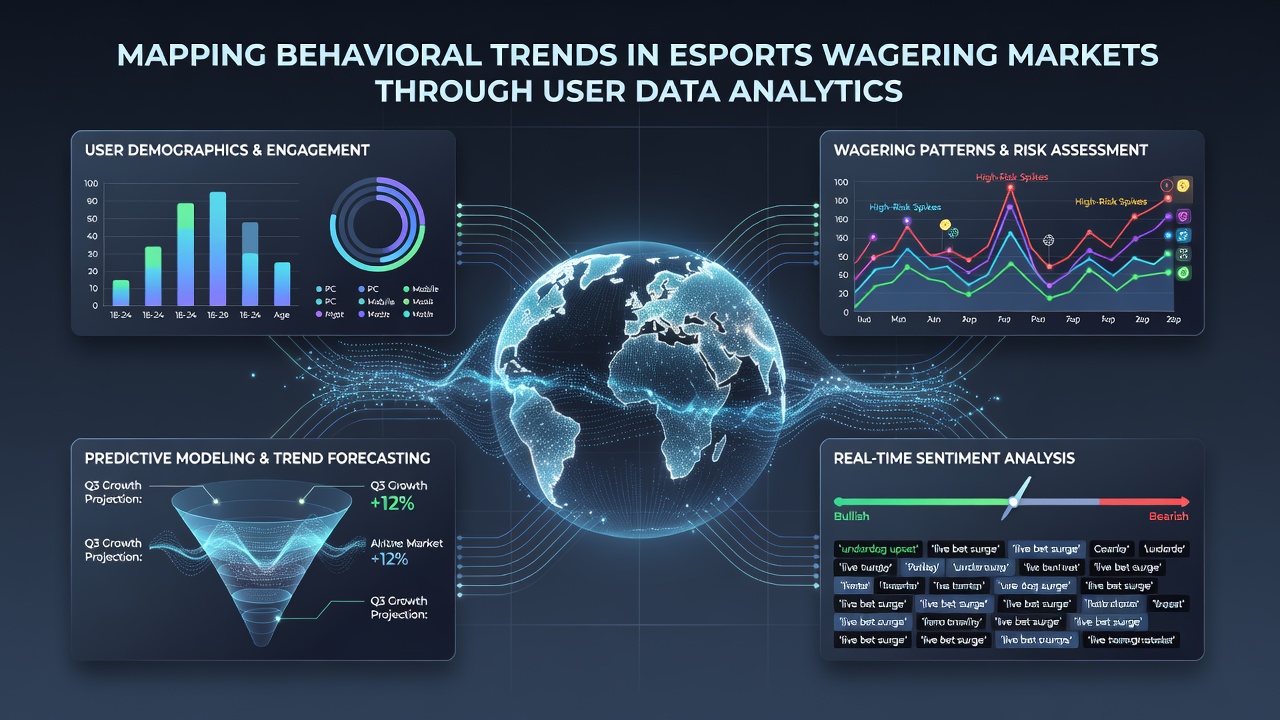
Geographic breakdowns expose distinct preferences, because Asian markets show stronger engagement with mobile esports titles that feature shorter match durations, whereas Western users allocate more volume to strategy-heavy games with longer playtimes. Aggregate figures reveal seasonal spikes tied to championship cycles, and these cycles prompt operators to adjust promotional offers based on predicted volume surges. Researchers have documented how certain user cohorts reduce activity immediately after large losses yet return with adjusted stake sizes within 48 hours, creating repeatable recovery curves visible in longitudinal datasets.
Market Implications and Platform Responses
Operators use these mapped trends to calibrate risk controls and personalize interfaces, while segmentation allows them to surface different bet types to distinct groups without altering core odds. Industry reports from organizations such as the American Gaming Association note that esports wagering volumes grew steadily through early 2026, driven partly by expanded data partnerships between game developers and betting firms. Platforms integrate real-time dashboards that flag anomalous patterns, which helps maintain compliance across jurisdictions that require responsible gaming thresholds.
European sources including the European Gaming and Betting Association track how cross-border data flows influence trend accuracy, because aggregated insights from multiple countries improve model robustness. Analysts adjust algorithms when new titles enter competitive circuits, since unfamiliar games produce different behavioral signatures compared with established esports staples. Data pipelines now incorporate telemetry from spectator modes, allowing correlations between viewer counts and subsequent betting spikes to surface within minutes of broadcast starts.
Future Directions for Continued Analysis
Upcoming refinements include deeper integration of biometric signals from wearable devices during live events, although current implementations remain limited to voluntary user opt-ins. Predictive models continue evolving through reinforcement learning that rewards accurate forecasts of segment migration between risk categories. Observers expect expanded collaboration between academic researchers and platform teams to standardize anonymization techniques while preserving analytical value across datasets.
Conclusion
Mapping behavioral trends through user data analytics supplies esports wagering markets with granular visibility into participant actions, and these insights support both operational adjustments and regulatory oversight. Continued refinement of collection and modeling approaches ensures that emerging patterns receive timely identification as the sector expands through 2026 and beyond.