Investigation Reveals Massive Illegal Online Casino Network Targeting UK Gamblers
Elena Peters · Apr 4, 2026

Investigation Reveals Massive Illegal Online Casino Network Targeting UK Gamblers
The Scope of the Exposed Network
An investigation published in early April 2026 has pulled back the curtain on a sprawling network of illegal online casinos operating without licenses from the UK Gambling Commission, brands like MyStake, Velobet, and Goldenbet sitting at the forefront while drawing in millions of UK visitors each month. These sites, run from Curaçao by Santeda International, connect through a web of ownership ties to Georgian businessmen via Upgaming AG, a setup that lets them skirt British regulations and target players who'd normally be protected. Data from the probe shows an average of 2.3 million unique UK visitors monthly between November 2025 and January 2026, numbers that paint a picture of unchecked access flooding the market.
What's interesting here is how these platforms mimic licensed ones at first glance, complete with flashy promotions and live dealer games, yet they operate in a legal gray zone that leaves users exposed; observers note the brands share backend tech and payment processors, creating what amounts to a unified front despite separate branding. And while Curaçao's licensing might hold water elsewhere, it carries no weight in the UK, where the Gambling Commission demands strict oversight on fairness, responsible gambling tools, and anti-money laundering measures.
Operators and Hidden Connections
Santeda International emerges as the central hub in Curaçao, managing operations for these unlicensed sites that funnel UK punters toward high-risk bets on slots, blackjack, and sports; links to Upgaming AG, a Swiss-registered entity, trace back to Georgian nationals who control the financial strings, according to the investigation's findings. This structure isn't new—experts who've tracked offshore gambling point out similar setups popping up as UK reforms tighten the screws on domestic operators—but the scale here stands out, with shared affiliate programs pushing traffic across the portfolio.
Take MyStake for instance: it boasts quick withdrawals and crypto options that appeal to tech-savvy players, while Velobet leans into sports betting with odds on Premier League matches; Goldenbet rounds it out with a mix of casino classics and virtual sports, all unlicensed yet accessible via simple Google searches or social media ads. The reality is these connections allow seamless player migration between sites, boosting retention even as losses mount, and that's where the rubber meets the road for regulators trying to stem the tide.
Targeting the Most Vulnerable Players
These casinos don't just cast a wide net; they zero in on UK gamblers registered with GamStop, the self-exclusion service meant to block access across licensed platforms, by simply not participating in the scheme—players who've opted out find themselves welcomed with open arms, bonuses tailored to lure them back in. Figures reveal heavy traffic from self-excluded users, who face no barriers here, leading to scenarios where one exclusion turns into multiple accounts across the network; it's a loophole that's frustrated campaigners for years.
But here's the thing: the probe highlights how these sites deploy aggressive marketing—think email blasts, Telegram channels, and Instagram influencers—that bypasses GamStop entirely, preying on those already showing signs of harm; one case detailed involves a player racking up £50,000 in debts across two brands after self-excluding elsewhere, a pattern repeated in user complaints logged with watchdogs. And while the sites claim responsible gambling features like deposit limits, enforcement appears lax, with reports of overrides and ignored pleas for account closures.
Devastating Consequences: Fraud, Harm, and Tragedies
Financial fallout hits hard, with fraud rampant through rigged games, delayed payouts, and chargeback blocks that leave players chasing ghosts; data indicates thousands of UK users reporting stolen funds or unfair losses, often tied to unverifiable "provably fair" claims that don't hold up under scrutiny. Beyond money, the harm runs deeper—suicides linked to losses on these platforms have surfaced in coroners' reports, prompting families to call out the network's role in unchecked addiction.
Observers who've studied gambling harms note a spike in problem gambling referrals coinciding with this traffic boom, where vulnerable individuals, including those on benefits or with mental health issues, lose life savings; one documented instance involves a GamStop user who, after migrating to Velobet, spiraled into debt that ended in tragedy, underscoring how offshore ops fill voids left by stricter UK rules. That said, the network's anonymity shields operators from direct accountability, complicating recovery efforts for victims.
- Unlicensed status evades UK taxes and player protections;
- Shared tech enables cross-site bonuses that encourage chasing losses;
- Crypto payments obscure transaction trails, aiding fraud.
MPs Rally for Regulatory Crackdown
Labour MP Alex Ballinger and Conservative MP Iain Duncan Smith have stepped up in April 2026, urging the Gambling Commission to wield its powers against these operators; Ballinger, who's championed GamStop expansions, calls for blocking orders on payment providers and ISPs to cut off access, while Duncan Smith pushes for international cooperation to target Curaçao and Georgian links. Their joint letter to the Commission demands swift enforcement, citing the 2.3 million visitor figure as evidence of a crisis brewing under the radar.
Now, with the UK's gambling white paper reforms rolling out, this revelation lands at a pivotal moment—commissioners have acknowledged offshore threats in prior statements, but action lags; experts anticipate fines, domain seizures, and affiliate bans if momentum builds, especially as public outrage grows through media coverage. People who've followed these beats know the ball's in the regulators' court, yet political cross-party unity like this could tip the scales toward real change.
Broader Implications for UK Gambling Landscape
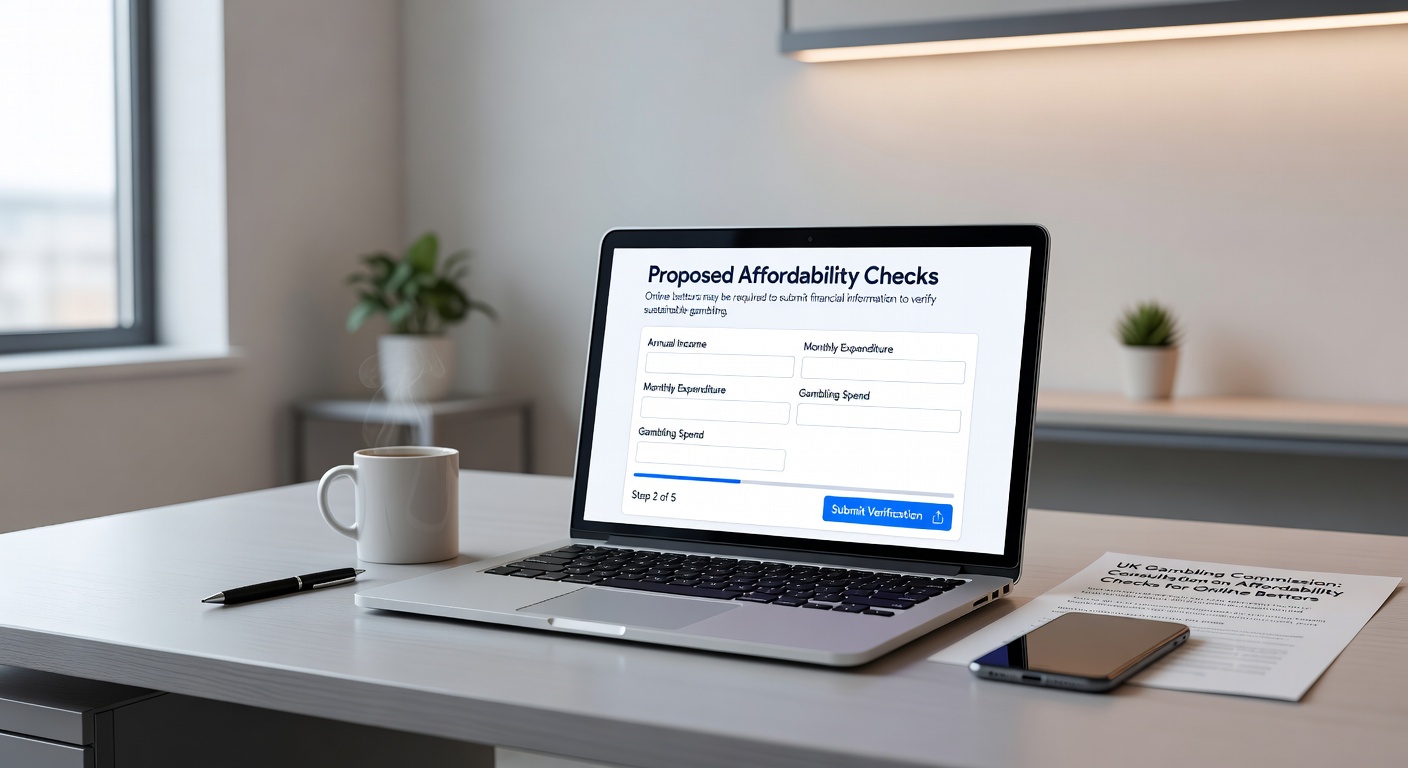
The exposure ripples outward, shining a light on how tightening domestic rules—affordability checks, stake caps—drives players offshore, where protections vanish; studies from gambling commissions across Europe echo this, with similar networks thriving in low-regulation hubs like Curaçao. UK visitors to these sites often start with small stakes, drawn by no-verification sign-ups, only to face escalating bets fueled by loyalty programs; it's noteworthy that traffic peaked during holiday seasons, aligning with stress spikes that experts link to harm.
And while GamStop covers 100% of licensed operators, its reach stops cold at unlicensed doors, leaving a gap that savvy punters (or desperate ones) exploit; one researcher tracking web traffic found ad spend from these brands rivaling big UK bookies, flooding search results with promises of "GamStop-free" play. Turns out, payment giants like Visa and PayPal have started clamping down, but crypto gateways keep the cash flowing, a cat-and-mouse game that's far from over.
Case in point: a whistleblower from an affiliate program leaked promo codes pushing MyStake to excluded players, revealing targeted campaigns via scraped GamStop data—allegations that have sparked police interest alongside Gambling Commission probes. So as April 2026 unfolds, stakeholders watch closely, knowing enforcement here could set precedents for tackling the black market head-on.
Conclusion
This investigation into the Santeda-UPgaming network lays bare a stark reality for UK gamblers: millions exposed to unlicensed casinos like MyStake, Velobet, and Goldenbet, with devastating fraud, debts, and suicides trailing in their wake; the 2.3 million monthly visitors from late 2025 into early 2026 underscore the urgency, as MPs Ballinger and Duncan Smith press for blocks, international pacts, and tougher oversight. Data shows self-excluded players remain prime targets, exploiting GamStop's limits, yet regulatory momentum builds amid cross-party calls—ultimately, stronger barriers could shield the vulnerable while the Commission adapts to this evolving threat.