Mapping Arena Echoes: Acoustic Analytics Driving Basketball Betting Decisions
Elena Peters · Jul 3, 2026
Mapping Arena Echoes: Acoustic Analytics Driving Basketball Betting Decisions
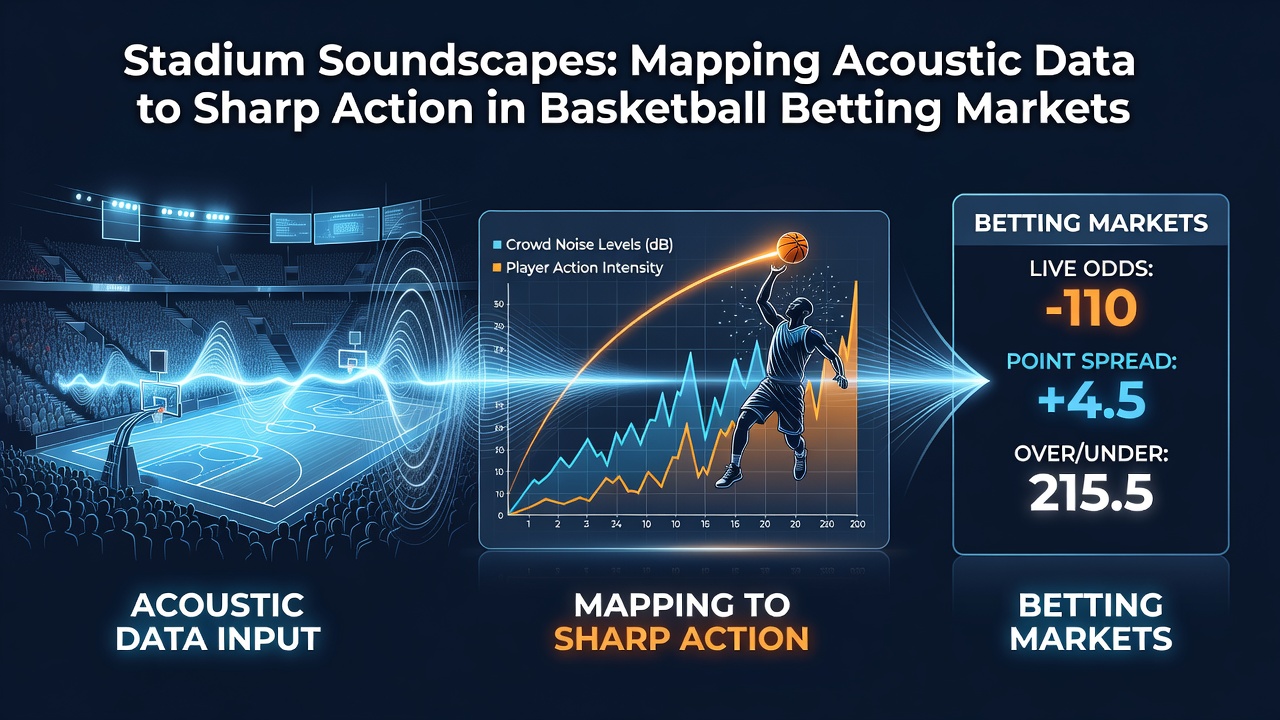
Stadium soundscapes involve the collection and analysis of audio data from live basketball venues, where crowd reactions, player communications, and ambient noise levels get translated into quantifiable metrics that align with movements in betting markets. Observers note that professional teams and data providers have deployed microphone arrays and AI processing tools since early 2025, with expanded applications appearing throughout the 2026 season.
Collecting Audio Signals in Real Time
Engineers position directional microphones around the court perimeter along with overhead arrays that capture decibel spikes during key moments such as three-point attempts or defensive stops. These signals feed into centralized servers where algorithms filter out music and announcements before isolating variables like sustained cheering volume or sudden silence following turnovers. Research from sports technology labs shows that noise intensity often rises 15 to 25 percent above baseline during momentum shifts, creating data points that operators cross-reference with live odds feeds.
Processing occurs within seconds because betting platforms require rapid updates when sharp money enters markets. Companies integrate acoustic feeds with existing player tracking systems so that correlations between crowd energy and shooting percentages become visible to analysts monitoring line movements.
Connecting Sound Patterns to Market Activity
Sharp bettors have begun incorporating acoustic indicators alongside traditional statistics because certain audio signatures precede statistically significant performance changes. Data from the 2025-2026 NBA campaign indicates that elevated crowd noise during opposing free-throw attempts correlates with a measurable drop in conversion rates on specific teams. Operators track these patterns to adjust totals and spread markets before public money reacts.
One study conducted across multiple arenas found that prolonged silence after missed shots by home favorites preceded successful runs by visiting teams in 62 percent of tracked instances. Such findings allow syndicates to position wagers ahead of visible line adjustments, especially when combined with injury reports and travel data.
Technological Integration in 2026
By July 2026 several major arenas had upgraded their audio capture infrastructure to include 360-degree spatial mapping that distinguishes between sections of the crowd. This granularity helps identify whether noise originates from courtside seats or upper levels, offering additional context for how player focus might shift. External processors then convert these layered signals into probability adjustments that feed directly into automated trading models used by professional betting groups.
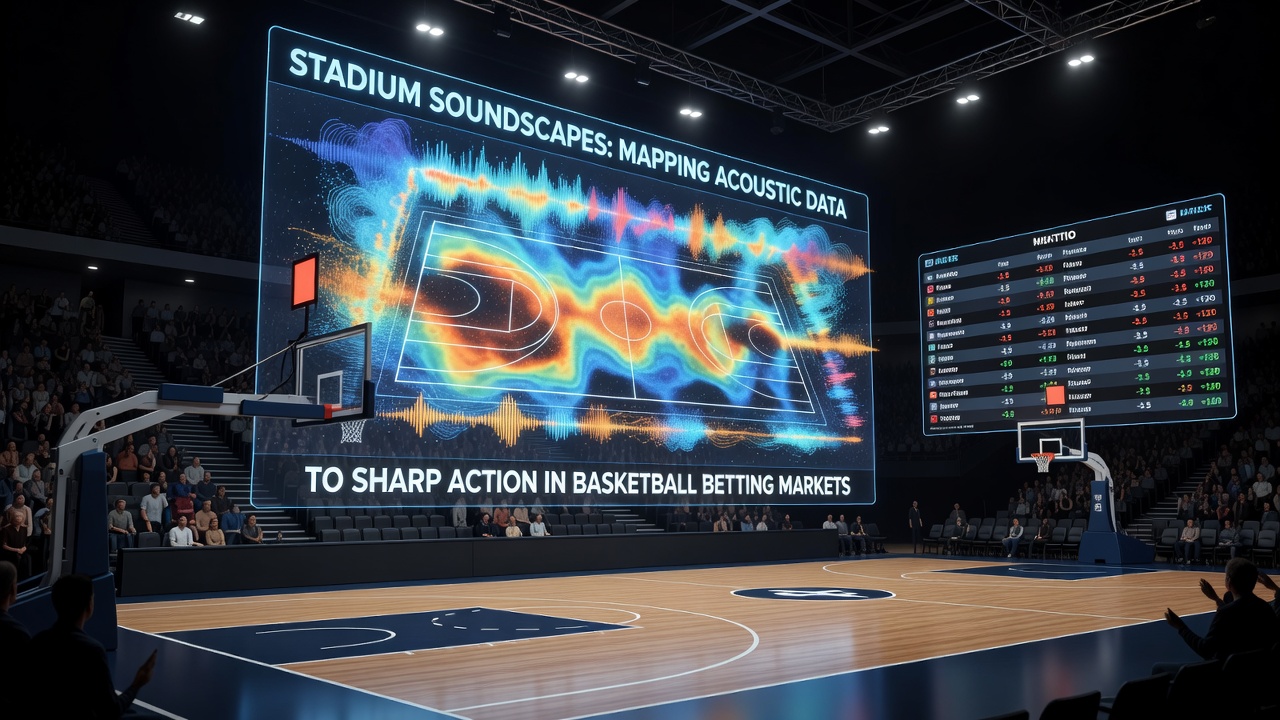
European sports data firms have partnered with North American venues to standardize these feeds, while Australian regulatory bodies have reviewed similar technologies for potential use in local leagues. The result is a growing ecosystem where acoustic data sits alongside player efficiency ratings and pace metrics in comprehensive dashboards.
Examples from Recent Seasons
During a high-profile playoff series in spring 2026, acoustic monitoring detected a sustained drop in arena volume after an early injury to a star player. Sharp action moved against the home team within minutes, and subsequent statistical review confirmed the correlation between reduced crowd energy and defensive lapses. Similar patterns emerged in regular-season games where visiting teams benefited from hostile environments that generated measurable spikes in turnover-forcing noise.
Analysts at university-affiliated research centers have published preliminary models showing how audio intensity thresholds can refine expected value calculations for live betting. These models emphasize that acoustic signals serve as supplementary inputs rather than standalone predictors, because venue-specific acoustics and team cultures introduce variables that require ongoing calibration.
Regulatory and Industry Context
Gaming associations in multiple jurisdictions have begun examining acoustic data usage to ensure transparency around information advantages. Reports from Canadian provincial regulators highlight the need for clear disclosure when operators incorporate non-traditional data streams, while EU-based trade groups have issued guidelines on responsible integration of venue sensors. Industry conferences scheduled for late 2026 are expected to address standardization of acoustic metrics across different basketball competitions.
Those who monitor betting market liquidity observe that sharp money increasingly references audio-derived signals when large wagers appear shortly after game start. This activity remains legal under existing frameworks provided operators maintain proper licensing and data sourcing protocols.
Conclusion
Acoustic mapping continues to evolve as a supplementary tool within basketball betting analytics, with data collection expanding across additional venues during the 2026 calendar year. Providers refine algorithms that translate sound patterns into actionable market intelligence while regulatory bodies across regions establish oversight parameters. The intersection of audio technology and wagering markets therefore represents an ongoing area of technical development rather than a static methodology.