Referral Networks Driving Expansion in Esports Wagering Markets
Clara Albrecht · Jul 27, 2026
Referral Networks Driving Expansion in Esports Wagering Markets
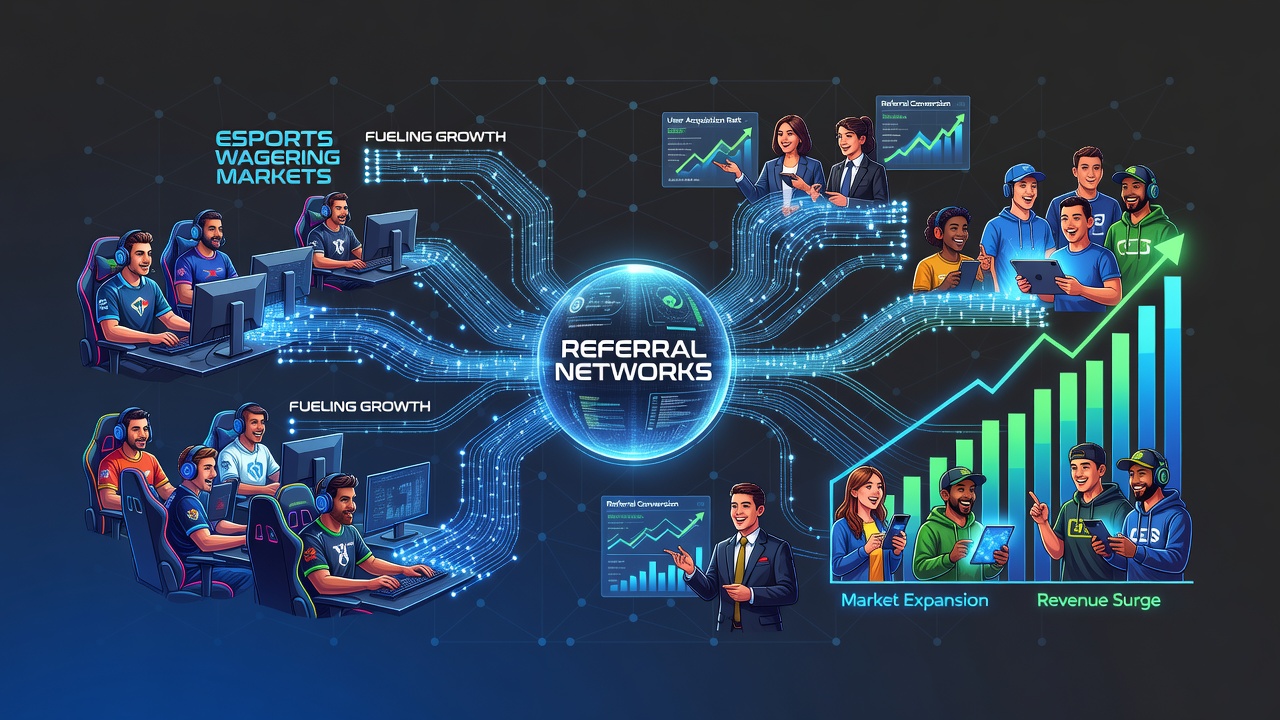
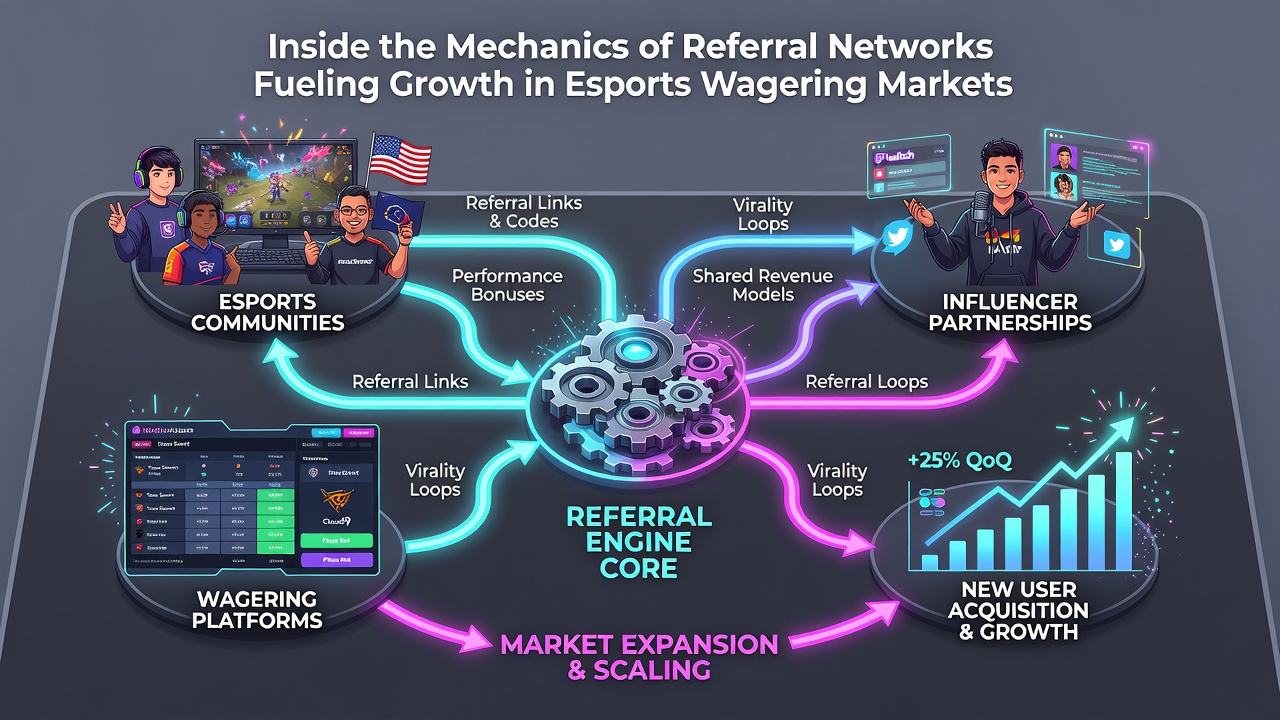
Referral networks operate as structured affiliate systems that connect existing users with new participants through coded invitations and layered reward structures in esports wagering environments, and these systems rely on digital tracking tools that monitor sign-ups, deposits, and ongoing activity to allocate commissions automatically. Platforms integrate unique referral identifiers into mobile apps and websites so that every referred account generates traceable revenue streams for the original referrer while the new user receives welcome bonuses tied directly to their first wagers on titles such as League of Legends or Valorant tournaments.
Core Mechanics Behind Referral Tracking
Operators deploy multi-tier commission models where primary referrers earn percentages from direct recruits while secondary layers receive smaller shares from further downstream activity, and this architecture encourages rapid network expansion because each participant benefits from both personal recruitment and broader community engagement. Software providers supply API integrations that sync with esports data feeds to confirm match outcomes and settle bets in real time, ensuring referral credits align precisely with platform profits rather than static sign-up events alone. In July 2026 several major platforms reported that over 40 percent of new esports wagering accounts originated through active referral chains according to internal analytics shared with industry analysts.
Role of Social Features in Network Growth
Esports communities thrive on Discord servers, Twitch channels, and Reddit threads where users share referral codes during live event discussions, and these organic exchanges accelerate adoption because participants trust recommendations from fellow viewers who demonstrate consistent engagement with the same games. Data from North American operators indicates that referral-driven registrations spike during major tournaments such as the Mid-Season Invitational, with conversion rates climbing when influencers embed codes in overlay graphics or chat commands. European markets show parallel patterns through localized communities that adapt codes for region-specific payment methods and language preferences.
Regional Regulatory Approaches to Referral Programs
Canadian provincial regulators have examined referral structures through the lens of the Alcohol and Gaming Commission of Ontario, focusing on disclosure requirements that ensure participants understand commission terms before distributing codes. Australian authorities under the Australian Communications and Media Authority have issued guidance requiring platforms to separate referral incentives from direct gambling promotions so that users do not perceive the programs as guaranteed profit mechanisms. Research published by the Esports Integrity Commission outlines how transparent tracking logs help distinguish legitimate referral activity from coordinated promotion schemes that could influence match outcomes.
Data Patterns in Market Expansion
Industry reports compiled by the American Gaming Association reveal that esports wagering volumes in the United States grew by 28 percent year-over-year through the first half of 2026, with referral channels accounting for a substantial share of that increase in states where mobile betting apps dominate. Operators note that users acquired via referrals maintain higher retention rates over six-month periods compared with organic downloads, because ongoing commission structures keep referrers invested in the platform's continued use. Analysts tracking Southeast Asian markets observe similar dynamics where local esports titles drive referral clusters among university student populations who exchange codes through campus messaging groups.
Technical Infrastructure Supporting Scale
Backend systems employ blockchain-based ledgers in select jurisdictions to record referral transactions immutably, which reduces disputes over commission calculations and provides audit trails for compliance reviews. Mobile SDKs capture device identifiers and IP patterns to prevent duplicate accounts from inflating network statistics, while machine learning models flag suspicious clustering that might indicate automated referral farms rather than genuine user connections. These safeguards allow platforms to maintain operational integrity as referral volumes expand during peak esports seasons without compromising payout accuracy for legitimate participants.
Conclusion
Referral networks continue to shape esports wagering expansion by embedding incentive layers directly into user acquisition and retention processes, and their mechanics reflect a blend of digital tracking precision with community-driven distribution methods. Regional oversight bodies maintain distinct frameworks that balance innovation with consumer protection, while data from multiple markets illustrates consistent contributions to overall sector growth through July 2026 and beyond.