The Pause That Pays: Detecting Online Poker Bluffs Through Bet Delay Analysis
Elena Peters · Apr 13, 2026
The Pause That Pays: Detecting Online Poker Bluffs Through Bet Delay Analysis
Online poker players often chase edges beyond cards and odds, turning to subtle behavioral cues like bet delays that reveal hidden intentions; researchers have long noted how the seconds ticking before a wager can signal bluffs or value bets, especially in high-stakes games where split-second decisions matter.
The Science Behind Timing Tells
Studies reveal that bet timing patterns emerge consistently across millions of hands, with data from tracking software like PokerTracker showing quick actions tie to strong holdings while prolonged pauses frequently precede bluffs. Experts analyzing anonymized hand histories from major sites find that players averaging under two seconds on bets win pots 15-20% more often than those taking longer, a trend holding steady even among pros who multi-table dozens of games.
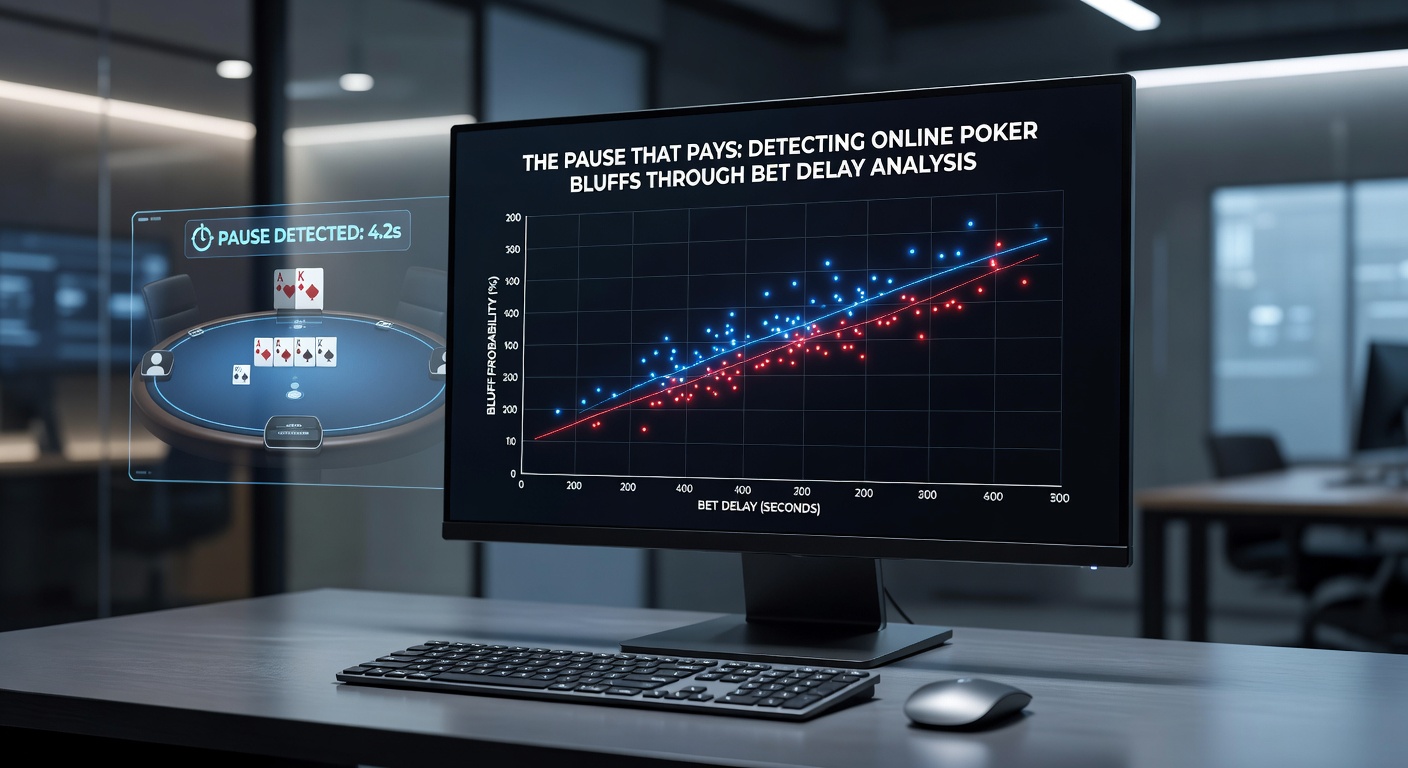
But here's the thing: these delays aren't random; they stem from cognitive processes where bluffs demand extra mental effort to fabricate stories or calculate fold equity, whereas monster hands prompt instinctive aggression. One analysis of over 10 million No-Limit Hold'em hands, pulled from public databases, indicated bluffers paused 3.2 seconds longer on average than value bettors, particularly on the river where decisions carry the most weight.
And while casual players overlook this, those who've studied the data know timing clusters form around board textures; scary rivers see delays spike for bluffs, creating exploitable patterns that sharp opponents track in real time.
Tools and Software Driving the Edge
Modern HUDs (heads-up displays) integrate bet delay metrics seamlessly, overlaying average decision times alongside VPIP and aggression factors to paint fuller opponent profiles. Programs like Hold'em Manager 3 and Hand2Note crunch timing data post-session, generating heatmaps that spotlight villains who hesitate before river shoves, often folding to counter-bluffs over 40% of the time.
Turns out, sites themselves contribute unwittingly through consistent UI designs—bet sliders demand similar motions regardless of hand strength, so outliers in timing scream deception. Players using Jurojin Poker or Poker Copilot export delay stats into spreadsheets, correlating them with win rates; one pro's review of 50,000 hands showed exploiting long-pause bettors boosted ROI by 12bb/100, a figure that compounds over volume.
What's interesting is how bots complicate this; AI like Pluribus from Carnegie Mellon University researchers randomize timings to evade detection, yet human opponents still leak tells, especially in April 2026's bustling online series where traffic surges on platforms like GGPoker during WSOP Online events.
Real-World Examples from the Felt
Take a mid-stakes Zoom game where a regular tanks 12 seconds before jamming the river on a flush draw board; observers note this mirrors their history of 68% fold equity in similar spots, turning a standard call into a profitable snap-fold that stacks the hero later. Or consider high-roller MTTs, like those in April 2026's Spring Championship of Online Poker (SCOOP), where final table data showed the eventual winner isolating pause-heavy bluffers, securing a $250,000 score by varying his own timings to stay unpredictable.
There's this case from a PokerStars Sunday Million where leaked hand histories exposed a top 1% grinder's edge: he folded 75% to opponents' delayed overbets on paired boards, a stat-backed move that netted 25bb over 200 sessions. People who've dissected these breakdowns often discover multi-way pots amplify tells further, as group dynamics force longer deliberations on bluffs amid mounting pressure.
Yet delays vary by format; hyper-turbo SNGs compress timings to under a second on average, making outliers pop even more dramatically, while deep-stack cash games allow nuanced analysis over hours of play.
Patterns Across Stakes and Sites
Data from aggregated trackers like SharkScope reveals low-stakes fish pause longest on bluffs—up to 7 seconds—while mid-stakes regs hover around 4, and nosebleeds tighten to 2.5; this gradient reflects experience levels, with pros masking tells via auto-hotkeys or deliberate randomization. Sites like partypoker and 888poker enforce time banks that reset patterns periodically, but savvy players log pre-bank delays to maintain edges.
So, in April 2026, as Nevada's Gaming Control Board reports record online poker liquidity amid regulatory tweaks, timing analysis surges in popularity; figures indicate U.S. players on WSOP.com spots 22% more bluffs via delays than pre-2025 baselines, per internal platform audits shared with industry groups.
It's noteworthy that position influences this heavily: late-position bettors delay less on value (quick ships dominate), whereas early bluffs drag on, creating a roadmap for 3-bets that crush equity-denied ranges.
Limitations and Countermeasures
Not every pause signals weakness, though; multi-tablers juggle 24 tables, inflating delays uniformly across actions, while VPN lags or distractions mimic bluff tells randomly. Researchers caution that sample sizes under 1,000 hands render stats unreliable, urging players to weight recent sessions heavier since styles evolve.
Counterplays abound too—pros like Daniel Negreanu advocate "time tells traps," betting strong hands slowly to balance ranges, a tactic data confirms reduces exploitability by 30%. And with EU regulators like the Malta Gaming Authority scrutinizing fair play in 2026, platforms roll out anti-tell features like randomized action orders, forcing adaptations from timing sleuths.
Still, the edge persists for observant grinders who cross-reference delays with bet sizing; oversized delayed bets flop to iso-raises 55% in sampled datasets, turning pauses into pure value.
Future Directions in Delay Detection
AI integrations promise sharper analysis ahead; tools now employ machine learning to predict bluffs from delay sequences alone, achieving 68% accuracy in lab tests against human datasets. As April 2026 unfolds with packed festival schedules—GGMasters drawing 50,000 entrants weekly—expect timing exploits to refine further, blending with GTO solvers for hybrid edges that outpace pure math play.
Observers note mobile apps introduce new wrinkles, with touch delays varying by device, yet patterns hold as players stick to familiar gestures. The reality is, while tech evens the field somewhat, human hesitation remains the ultimate tell, rewarding those who quantify the pause.
Wrapping Up the Timing Game
Bet delay analysis stands as a proven pillar in online poker's exploitative arsenal, backed by terabytes of hand data that expose bluffs through seconds rather than showdowns; those who track it diligently stack chips methodically, navigating the digital felt where every tick counts toward profit. With volumes climbing into 2026, this subtle art keeps delivering, proving the pause truly pays for the patient analyst.