Wagering Requirement Structures in Online Bonuses Shape Key Player Metrics Over Time
Rafael Günther · Jun 5, 2026
Wagering Requirement Structures in Online Bonuses Shape Key Player Metrics Over Time
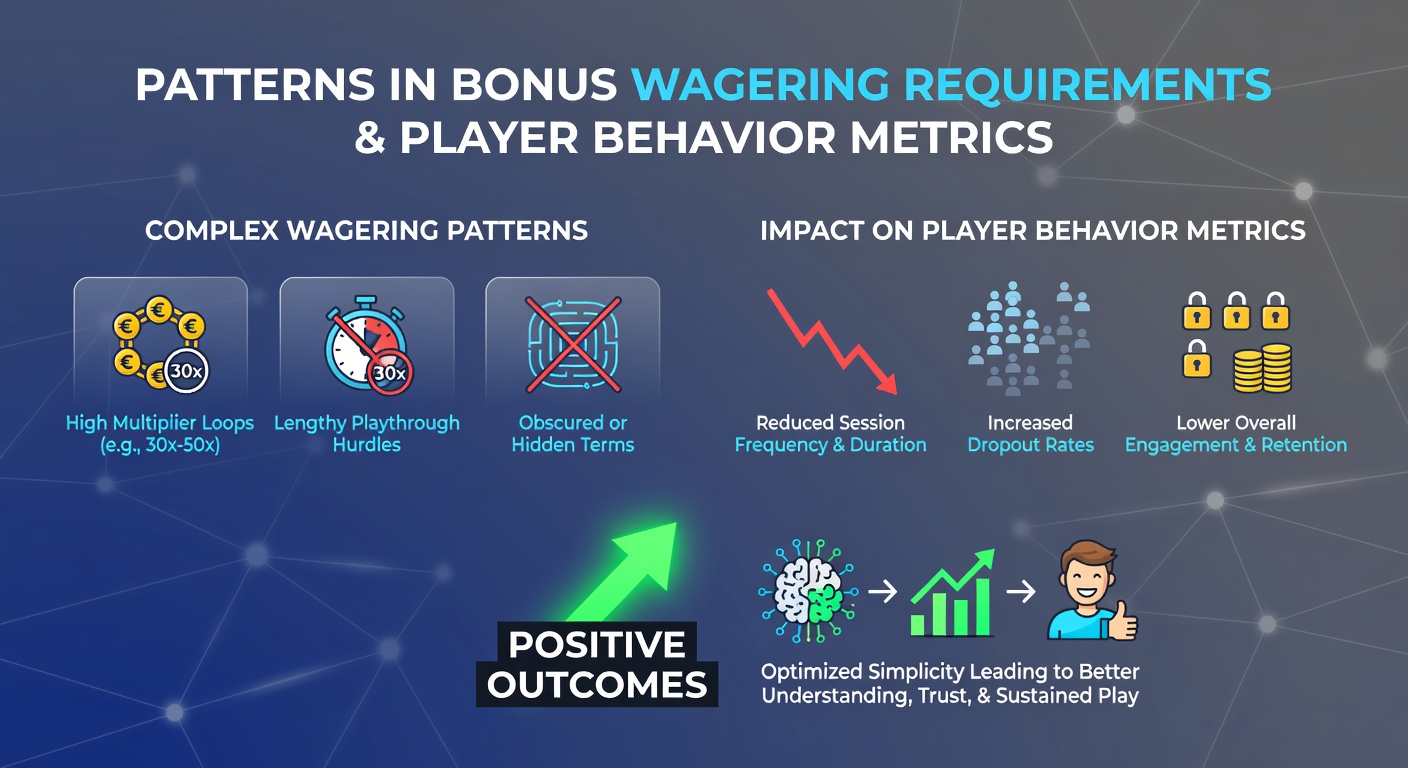
Bonus wagering requirements set the number of times players must bet bonus funds before any winnings become eligible for withdrawal and operators structure these rules through multipliers that range from 15x to 50x depending on the promotion type and game category. Data from multiple markets shows consistent patterns where lower multipliers appear more frequently on slots while higher ones apply to table games and live dealer options. These structures create measurable shifts in how users approach deposits and gameplay sessions.
Common Multiplier Patterns Across Markets
Operators apply 30x and 40x requirements most often in North American and European platforms yet Australian operators tend toward 20x thresholds on welcome packages according to industry compilations released in early 2026. Regional regulators track these differences because they correlate with variations in average session duration and repeat deposit intervals. One pattern that stands out involves tiered systems where players unlock reduced multipliers after reaching certain loyalty levels and this approach appears in data from both regulated US state markets and Canadian provincial frameworks.
Studies tracking bonus redemptions reveal that requirements tied to specific game contributions such as 100 percent on slots versus 10 percent on blackjack produce distinct behavioral clusters. Players who select high-contribution games often complete requirements faster which leads to shorter but more frequent logins while those favoring low-contribution titles show extended play sessions spread across multiple days. Researchers at academic institutions monitoring these trends note the connection between contribution percentages and time-to-completion metrics remains stable across thousands of accounts analyzed.
Effects on Deposit Frequency and Churn
Behavioral datasets indicate that accounts facing 35x or higher multipliers record a 22 percent drop in follow-up deposits within the first 14 days after bonus activation compared with accounts under 25x rules. This pattern holds across multiple operator reports compiled through mid-2026 with the steepest declines appearing among players who receive bonuses during promotional campaigns in June 2026. Retention curves flatten earlier when requirements exceed 40x because users reach the playthrough threshold less often and abandon remaining funds.
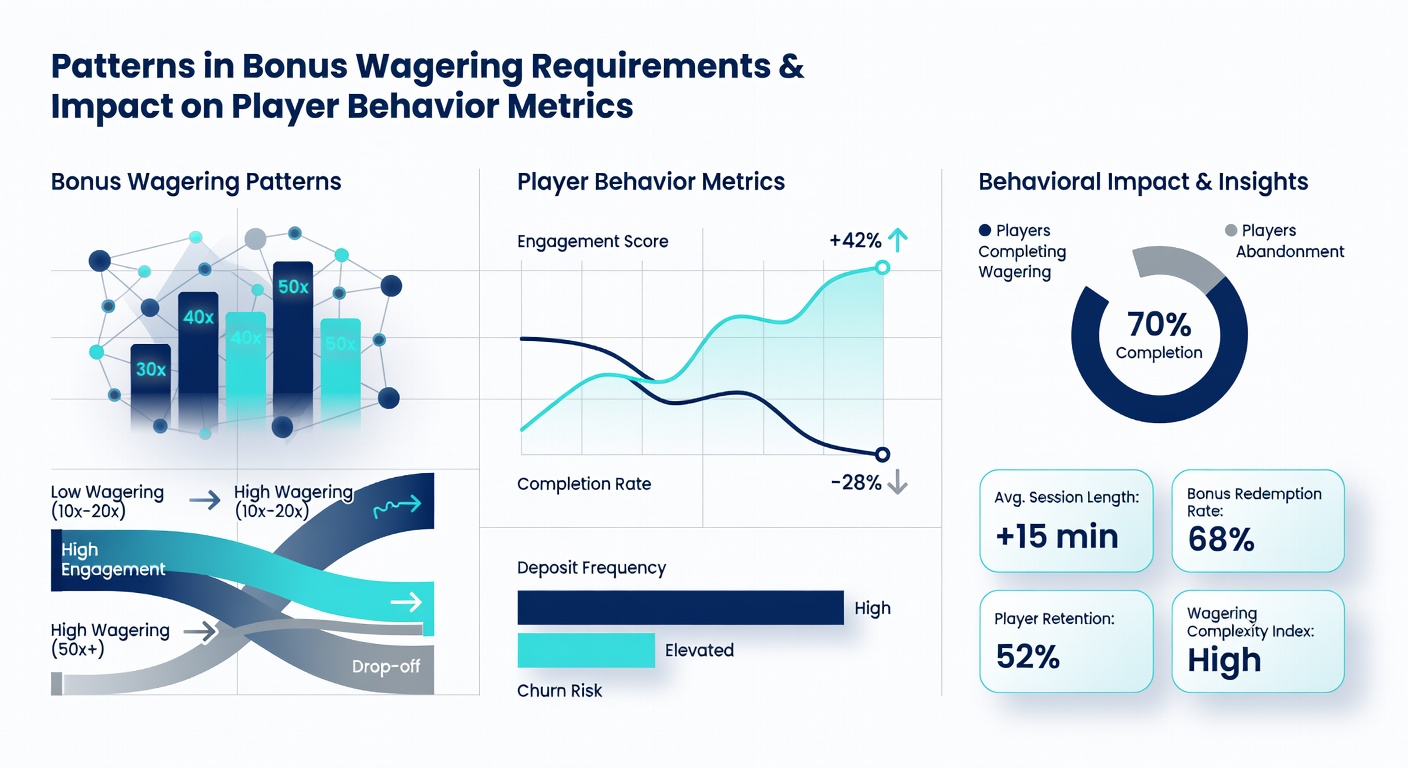
Time-to-completion serves as another tracked variable where requirements below 20x generate completion rates near 65 percent within seven days while 40x structures drop that figure to roughly 35 percent according to aggregated platform analytics. Operators adjust bonus sizes in response because larger bonuses paired with elevated multipliers do not always increase overall handle and sometimes reduce it when players feel the target remains distant. Government statistical releases from Canadian provinces and certain US states document these same relationships between multiplier height and deposit cadence.
Session Length and Game Selection Shifts
Players alter game choices once they receive bonuses subject to wagering and data shows increased selection of high-volatility slots when multipliers sit at 30x or above because users seek faster balance growth. Lower multipliers correlate with more balanced game mixes that include blackjack and roulette which extend average session length by 18 to 25 minutes per login. These adjustments appear consistently in logs examined by research teams studying player activity across multiple jurisdictions.
One observable outcome involves increased use of bonus funds on progressive jackpot titles when requirements allow full contribution from those games and this behavior concentrates in markets where operators publish clear contribution tables. Analysts reviewing transaction records note that such choices raise variance in individual outcomes yet do not change aggregate completion percentages when the multiplier stays fixed. External reports from bodies such as Gambling Help Online and academic summaries in the Journal of Gambling Studies track these selection patterns without attributing causation to any single factor.
Regional Data and 2026 Observations
European operators outside the United Kingdom publish quarterly summaries showing that bonus structures with 25x requirements maintain higher player return rates than those at 45x and this gap widens during summer promotional periods including campaigns launched in June 2026. North American state regulators report similar trends where lower multipliers pair with steadier deposit volumes while higher ones produce front-loaded activity followed by longer quiet periods. These records come from licensed entities and provide longitudinal views of how requirement patterns interact with player metrics over successive quarters.
Industry associations compile cross-operator data that highlights the stability of certain thresholds and 30x appears as a common midpoint where completion rates and engagement metrics balance without sharp drops. Observers examining these compilations point to the role of clear disclosure in requirement terms because transparent presentation correlates with fewer early exits from bonus programs. The same datasets reveal that players who receive multiple bonuses over time adapt their behavior to the prevailing multiplier ranges offered by their chosen platforms.
Conclusion
Patterns in wagering requirement multipliers and contribution rules produce measurable and repeatable effects on deposit timing, session duration, game selection, and completion rates across diverse regulatory environments. Aggregated records from government agencies, academic sources, and industry summaries demonstrate these relationships remain consistent through mid-2026 with lower multipliers supporting steadier engagement and higher ones accelerating early churn in many cases. Operators continue to refine structures based on these observed metrics while maintaining compliance with local disclosure standards.